What to Wear in Minneapolis This Winter: A Local Stylist’s Guide
Every year, the same question comes up right around the first real cold snap: what do I actually need to get through a Minneapolis winter and still feel like myself, not just buried under fabric? Here’s a practical, no-fluff answer – not a generic “layer up” list, but what actually earns its place in a Minnesota closet.
The coat is the one piece worth genuinely investing in
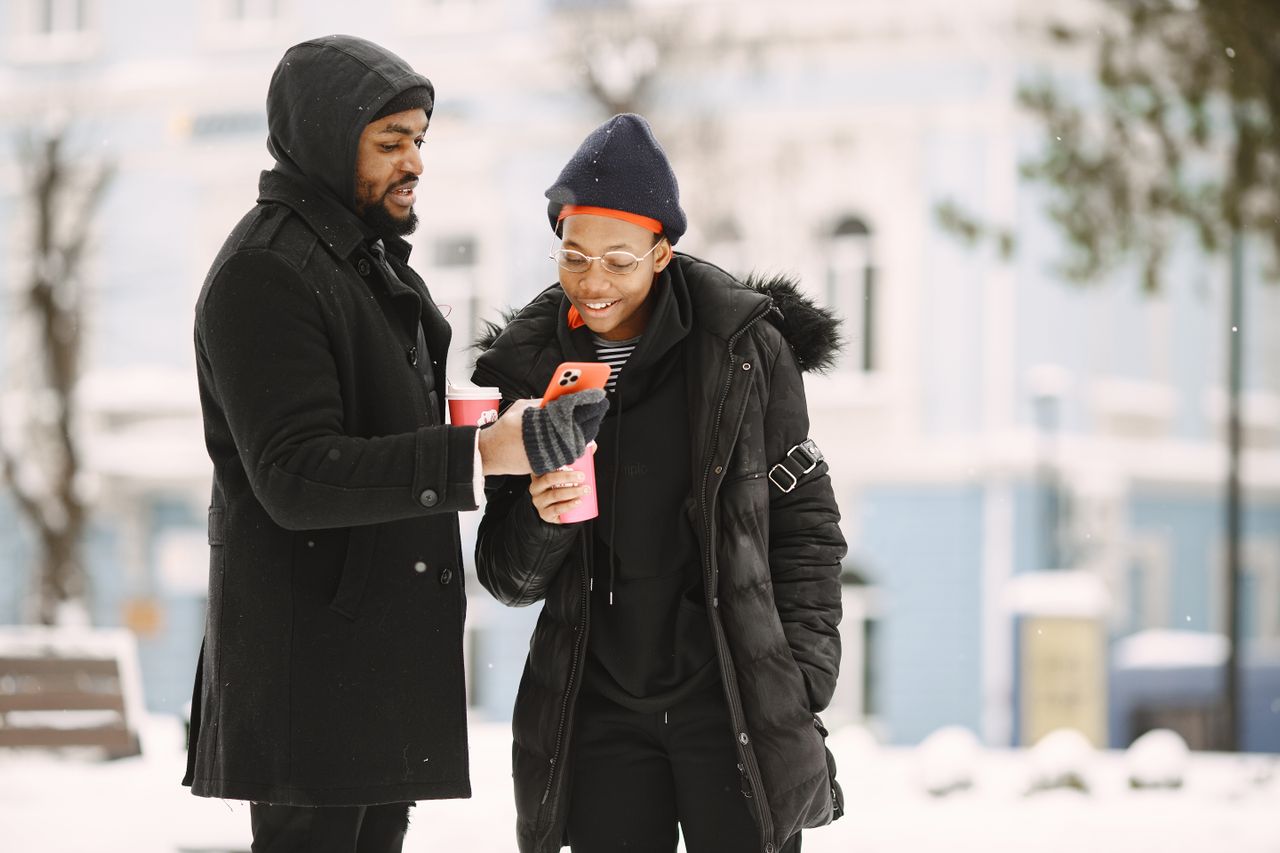
This is the single item where quality matters most, because it’s doing the most work and getting worn the most often. A proper winter coat needs to handle real cold – not “chilly,” but the stretch of days where the wind chill actually matters – while still being something you want to put on every single day for four or five months. If you only buy one expensive piece of outerwear this year, this is it.

A second, lighter coat for the shoulder seasons
The mistake a lot of people make is owning one heavy coat and wearing it from October through April, because it’s the only option in the closet. A lighter wool coat or a shell for the 30–50 degree stretch – which shows up more often than people plan for, both in early winter and as things start to thaw – means you’re not overheating in a coat built for negative-degree wind chill just because it’s the only one you own.
Boots that are actually rated for the weather, not just the look
There’s a real difference between a boot that looks winter-appropriate and one that’s actually built for ice, snow, and road salt. If you’ve ever ruined a pair of boots after one Minnesota winter, this is usually why. It’s worth having at least one genuinely weatherproof pair, even if it’s not the pair you wear to a client meeting – you can always change shoes once you’re inside.
Thoughtful base layers, not just “long underwear”
Base layers have come a long way from bulky thermals – a good fine-knit or merino base layer is thin enough to wear under anything else in your closet without changing how an outfit fits or looks. This is the layer that makes the biggest difference in actual daily comfort, and it’s the one people skip most often.
Accessories that do double duty
A scarf, real gloves (not just cute ones – actually warm ones), and a hat that covers your ears are not optional here, and they’re also the easiest way to add personality to an otherwise practical, neutral winter outfit. If your coat and base layers are simple by design (which makes them easier to build outfits around), this is where color and texture can live.
What you probably don’t need
Five different winter coats. A different pair of boots for every outfit. Novelty items that look great for one photo and then sit unworn for the rest of the season. A Minnesota winter wardrobe works best when it’s a small number of genuinely functional pieces, chosen well, rather than a large number of pieces chosen quickly.
If your current winter wardrobe isn’t working
If you find yourself layering awkwardly, feeling either too cold or overheated most days, or reaching for the same one outfit on repeat because nothing else feels right for the weather, that’s usually a sign the system needs a second look – not that you need to buy more clothes. A Styling Session heading into the season is often the fastest way to sort out what’s actually missing versus what just needs to be worn differently.
A quick self-check before you shop
Before adding anything new, it’s worth going through what you already own with the season specifically in mind. Pull everything winter-relevant out and actually look at it together – not piece by piece, but as a system. Do the coats, boots, and layers you own coordinate with each other, or are they a random collection that happened to accumulate over a few different years? Gaps tend to become obvious once everything is out and visible together, rather than staying hidden in a closet where you only ever see one piece at a time.
Building for the whole season, not just the coldest week
A Minneapolis winter isn’t one temperature – it moves from the first frost through the genuinely brutal stretch and back out through a slow, unpredictable thaw. A wardrobe that only accounts for the coldest week of January often leaves you overdressed in November and overdressed again in March. Planning across the full range, rather than for a single worst-case day, produces a system that actually holds up for the whole season instead of just the headline-grabbing cold snaps.
I look forward to hearing about your style and helping you create a wardrobe that feels like you.
What to Wear in Minneapolis This Winter – A Local Stylist’s Picks